Setting fitness milestones is a crucial part of any successful workout or health journey. Without clear targets, it’s easy to lose motivation or feel overwhelmed. However, setting realistic fitness goals can be challenging. Many people either aim too high and get discouraged or set goals that are too easy and don’t push them enough. This article will guide you through effective strategies to set achievable and motivating fitness milestones that keep you on track and excited about your progress.
The Importance of Setting Fitness Milestones
Fitness milestones act as checkpoints on your path to better health and physical performance. They help you measure progress, stay motivated, and adjust your routine as needed. When you set clear milestones, you create a roadmap that breaks down a large goal into manageable steps.
For example, instead of saying “I want to lose weight,” a milestone could be “I want to lose 5 pounds in the next month.” This smaller, specific target is easier to focus on and track. Celebrating these small wins builds confidence and encourages consistency.
Tips for effective milestone setting:
-
Make milestones specific and measurable.
-
Set time-bound targets to create urgency.
-
Ensure milestones are challenging but achievable.
-
Use milestones to adjust your workout plan if needed.
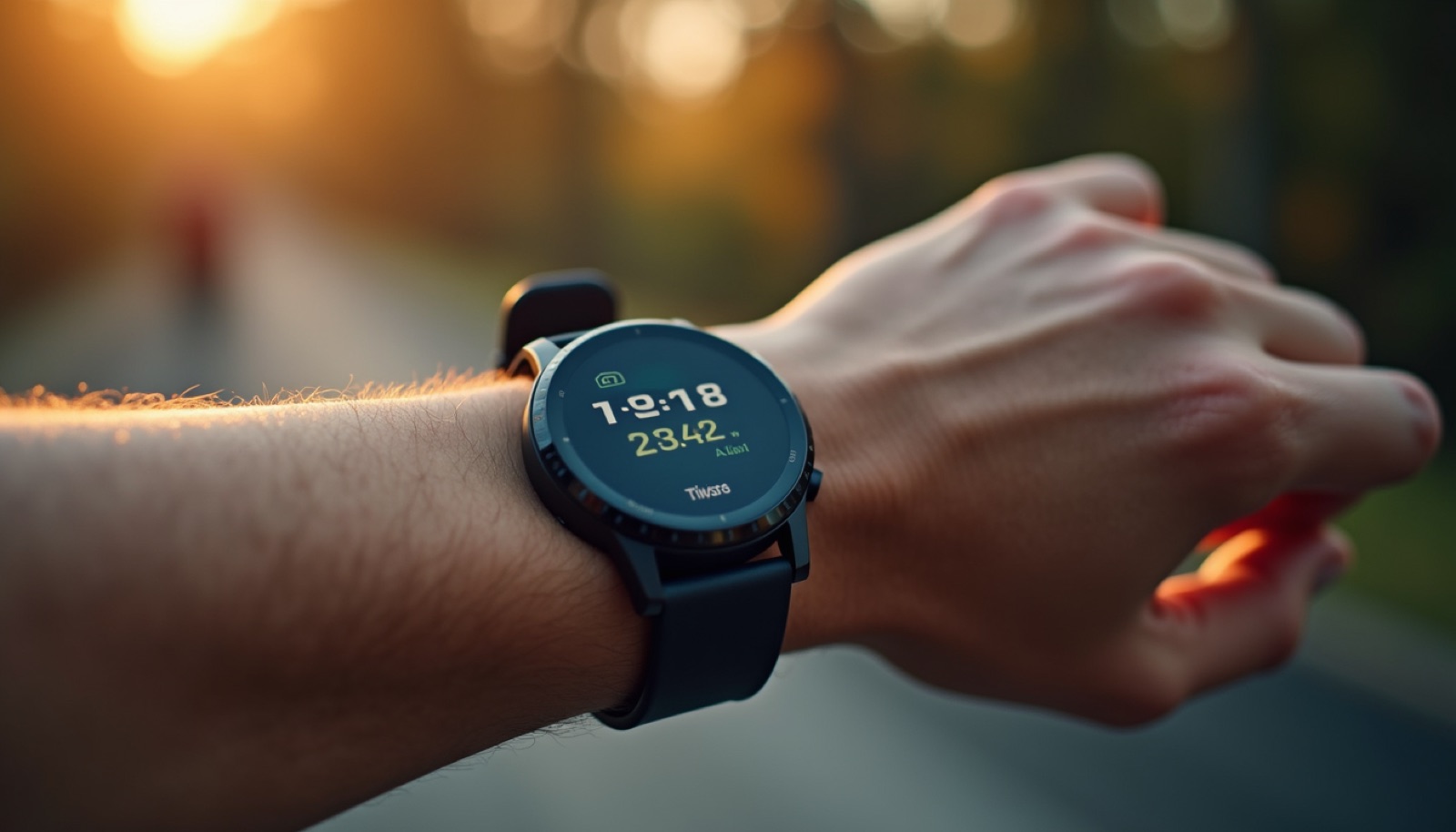
Tracking fitness progress with a wearable device
Practical Tips for Setting Fitness Milestones
When setting fitness milestones, it’s important to consider your current fitness level, lifestyle, and available time. Here are some practical tips to help you create effective milestones:
-
Start with a fitness assessment
Evaluate your current strength, endurance, flexibility, and body composition. This baseline helps you set realistic targets.
-
Break down large goals
If your goal is to run a marathon, start with milestones like running 1 mile, then 3 miles, and so on.
-
Incorporate variety
Set milestones for different aspects such as strength, cardio, flexibility, and nutrition.
-
Use SMART criteria
Make sure your goals are Specific, Measurable, Achievable, Relevant, and Time-bound.
-
Track your progress regularly
Use apps, journals, or fitness trackers to monitor your milestones.
-
Adjust milestones as needed
Life changes, and so should your goals. Be flexible and realistic.
By following these tips, you can create a structured plan that keeps you motivated and accountable.
Planning fitness milestones on a calendar
What are the 5 R’s of Goal Setting?
Understanding the 5 R’s of goal setting can help you create meaningful and realistic fitness milestones. These principles ensure your goals are well-rounded and achievable.
-
Realistic
Your goals should be attainable based on your current fitness level and lifestyle. Setting unrealistic goals can lead to frustration and burnout.
-
Relevant
Goals should align with your personal values and long-term fitness aspirations. This relevance keeps you motivated.
-
Rewarding
Choose goals that provide a sense of accomplishment and satisfaction. Celebrate your progress to stay inspired.
-
Recorded
Write down your goals and milestones. Documenting them increases commitment and helps track progress.
-
Reviewed
Regularly review and adjust your goals based on your progress and any changes in your circumstances.
Applying the 5 R’s ensures your fitness milestones are effective and sustainable.
How to Stay Motivated While Achieving Fitness Milestones
Motivation can fluctuate during your fitness journey. Here are some strategies to maintain enthusiasm and commitment:
- Visualize success
Imagine how reaching your milestones will improve your life and well-being.
- Find a workout buddy
Partnering with someone can increase accountability and make exercise more enjoyable.
- Mix up your routine
Avoid boredom by trying new workouts or activities.
- Reward yourself
Treat yourself when you hit a milestone, such as a massage or new workout gear.
- Focus on progress, not perfection
Celebrate small improvements rather than fixating on setbacks.
- Use positive affirmations
Encourage yourself with motivational statements to build confidence.
By incorporating these techniques, you can keep your momentum strong and continue progressing toward your fitness goals.
How to Use Fitness Goal Setting to Maximize Your Results
Effective fitness goal setting is a skill that can be learned and refined. Utilizing expert advice and resources can enhance your ability to set and achieve realistic milestones.
- Educate yourself
Learn about different types of goals such as strength, endurance, flexibility, and nutrition.
- Seek professional guidance
Trainers and coaches can help tailor your milestones to your needs.
- Use technology
Apps and wearables provide data and feedback to keep you informed.
- Stay consistent
Regularly revisit your goals and adjust them based on your progress.
- Join communities
Online forums and local groups offer support and motivation.
By integrating these approaches, you can create a personalized and effective fitness plan that evolves with you.
Documenting fitness milestones in a journal
Building Long-Term Success with Realistic Fitness Milestones
Setting realistic fitness milestones is not just about short-term achievements. It’s about building habits that lead to lifelong health and wellness. Here are some final recommendations to ensure long-term success:
- Be patient
Fitness progress takes time. Avoid rushing and focus on steady improvement.
- Listen to your body
Rest and recovery are essential to prevent injury and burnout.
- Celebrate every milestone
Recognize your efforts and reward yourself appropriately.
- Keep learning
Stay informed about fitness trends and techniques.
- Adapt to changes
Life circumstances may shift. Adjust your goals to stay relevant.
By committing to realistic and well-planned fitness milestones, you create a sustainable path to health and happiness. Remember, the journey is just as important as the destination.